A recent experience painfully illustrated how misunderstood homelessness still is and why the work of the 999 Club is so vital.
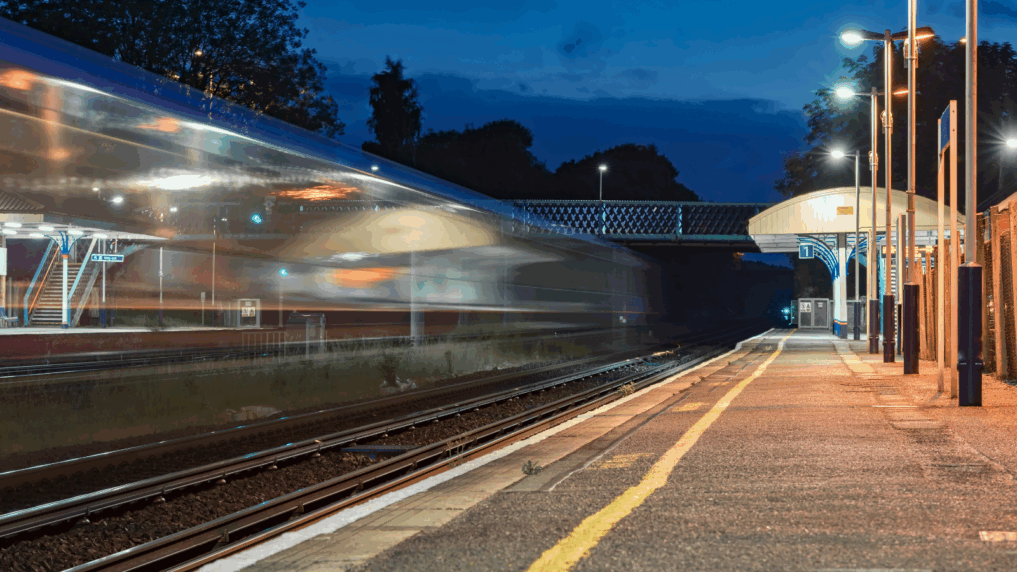
I was on a packed rush-hour train from central London to the South East. A man walked into the carriage and began explaining to fellow passengers that he was hoping for some help with spare change. He had barely got any words out when another man loudly interrupted, addressing the whole carriage: “Everyone! Don’t believe him when he says he’s going to spend your hard-earned money on food. He’s going to spend it on crack!”
He repeated versions of this accusation until the man asking for help gave up and quietly walked away, visibly hurt.
I felt deeply uncomfortable. If I’d been closer and the train wasn’t so busy, I like to think I would have politely challenged the interjector. Would it have changed his attitude? Probably not. But perhaps it would have demonstrated some much-needed solidarity and public compassion.
The assumptions we make
Maybe the man asking for help was experiencing homelessness. Maybe he was living with challenges involving drugs or alcohol. Maybe he wasn’t. In any case, he was still a human being deserving of empathy, not humiliation.
The reality is complex. Yes, some people experiencing homelessness also face challenges involving drugs or alcohol. But many don’t. Either way, they face a daily battle to find food, clothing, shelter, and basic dignity.
The greatest harm isn’t the stereotype itself, but how easily it strips away compassion.
The reality of homelessness
Research shows us just how tough life can be for people without a home:
- A 2022 survey by Oasis Community Housing found that 94% of people facing homelessness had experienced trauma, with at least two-thirds experiencing multiple or sustained traumas such as childhood neglect, domestic abuse, or violence.
- Homeless Link’s Unhealthy State of Homelessness report shows that 82% of people experiencing homelessness have a mental health diagnosis, and 63% live with a long-term illness or disability.
Homelessness is often triggered by trauma, and homelessness itself is profoundly traumatic. Rough sleeping is not, as one former Home Secretary suggested, a “lifestyle choice.” It is a dangerous and dehumanising existence.
Choosing compassion
What troubled me most on that train wasn’t just the humiliation of one man, but the way his tormentor seemed to think he was doing everyone else a favour by “dropping some knowledge.”
If you don’t want to give money to someone asking for help, then you don’t have to. You can just politely turn them down, or direct them to a local service instead. But please, let the people around you decide how they want to respond.
And for goodness’ sake, don’t strip away the dignity of someone who is already struggling. Choosing to belittle someone to make yourself feel better says far more about you than it does about them.
Why the 999 Club exists
I’m sure many people would have been as appalled as I was by that moment. If you’re reading this, chances are you’re one of them.
At the 999 Club, we work tirelessly to challenge stigma and build a more compassionate understanding of homelessness. Every day we welcome our Members into an environment where we are working to embed trauma- and psychologically-informed approaches, with safety, respect and dignity at the heart of everything we do.
We don’t always know exactly what someone is going through, but we do know that public humiliation helps no one.
Charly Richardson, CEO of the 999 Club.
If you want to support local people to leave homelessness behind for good, get involved with the 999 Club today.